Tile Roofing: What the System Actually Does
Tile roofing is a layered system, not a single surface. Clay or concrete tile sheds the rain, while the underlayment beneath it does the actual waterproofing. That split matters in Orlando, where wind-driven rain pushes sideways under tiles that look perfectly sound.
We tear the old roof to the decking, check the sheathing for rot, and rebuild from the substrate up. Tile is heavy, so the roof deck plus every truss, rafter, and joist end has to carry that load.
Tile Roofing Materials We Install in Orlando
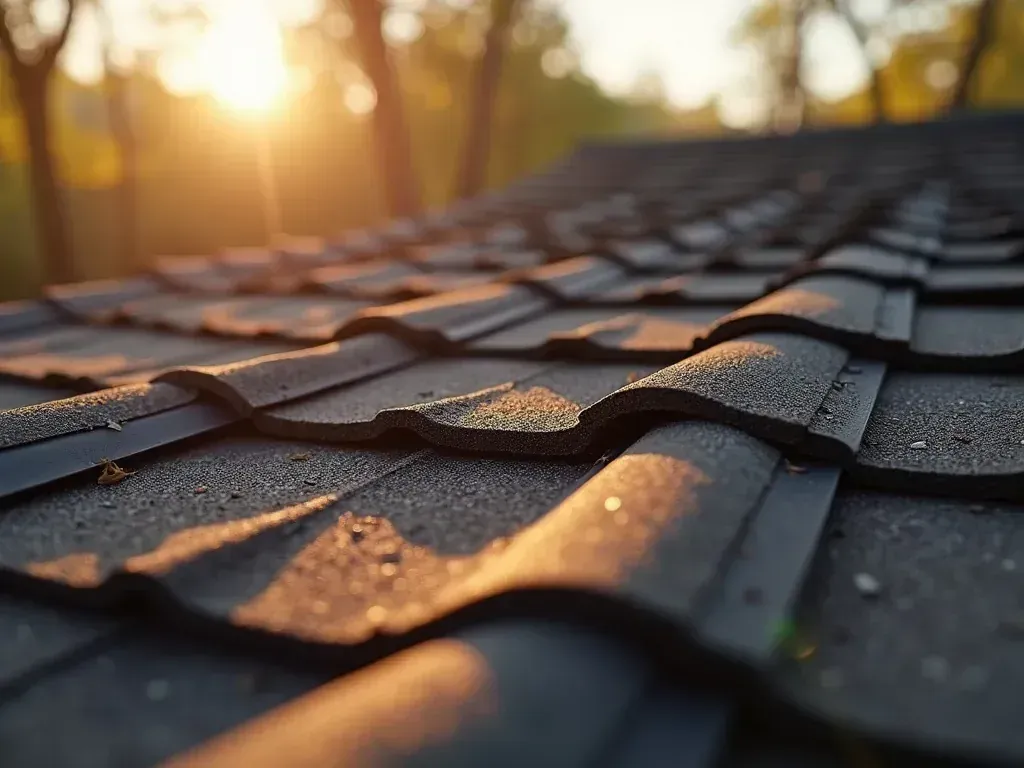
- Clay tile is the classic choice on 2000s Mediterranean-style stucco villas around Baldwin Park, and it holds its color for decades without fading.
- Concrete tile costs less than clay and comes in profiles that mimic wood shake or slate without the fire risk.
- Slate and cedar shake still show up on 1950s Mid-Century bungalows in historic districts, and we match those profiles wherever the structure allows.
- Architectural shingle and three-tab shingle serve as budget alternates when trusses cannot carry the weight of tile over 1980s concrete block ranch homes.
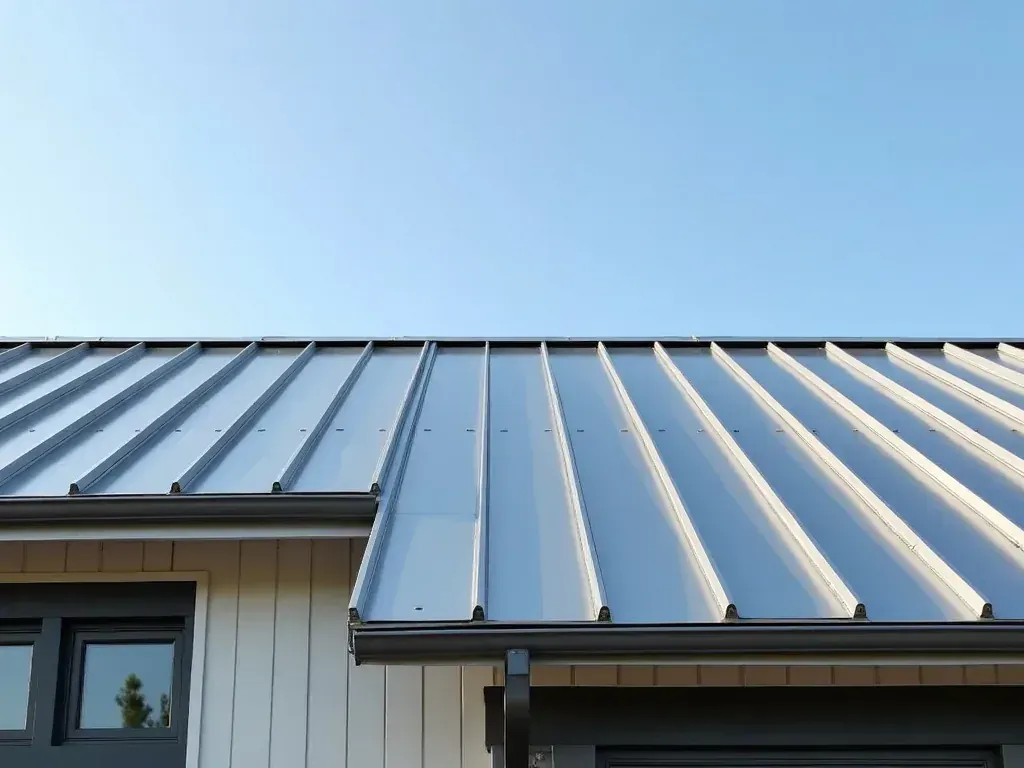
- Standing-seam panel and corrugated panel metal roofing pair well with tile on porches, canopies, and awning covers.
- Synthetic underlayment has replaced tar paper and roofing felt on our jobs because it resists the heat that builds on a Florida rooftop.
- Ice-and-water shield runs along valleys and eaves as a second barrier, even though a true ice dam is rare this far south.
Tile Roofing in Central Florida Weather
Orlando averages about 51.5 inches of precipitation a year, and most of it lands between May and October in short, high-intensity downpours. Tile sheds that water fast when the pitch is right and the valley stays clear.
Hurricane-force winds are the harder test. Tiles must be fastened with screws or ring-shank nails into battens or purlins, never just bedded in mastic. We hand-seal the ridge cap and every hip and verge, because those pieces lift first.
Average relative humidity runs 70 to 74 percent here, which feeds algae streaking and corrodes fasteners and flashing. Tile dries faster than asphalt shingle, so moss gets less of a foothold.
Tile Roofing Warning Signs to Watch For
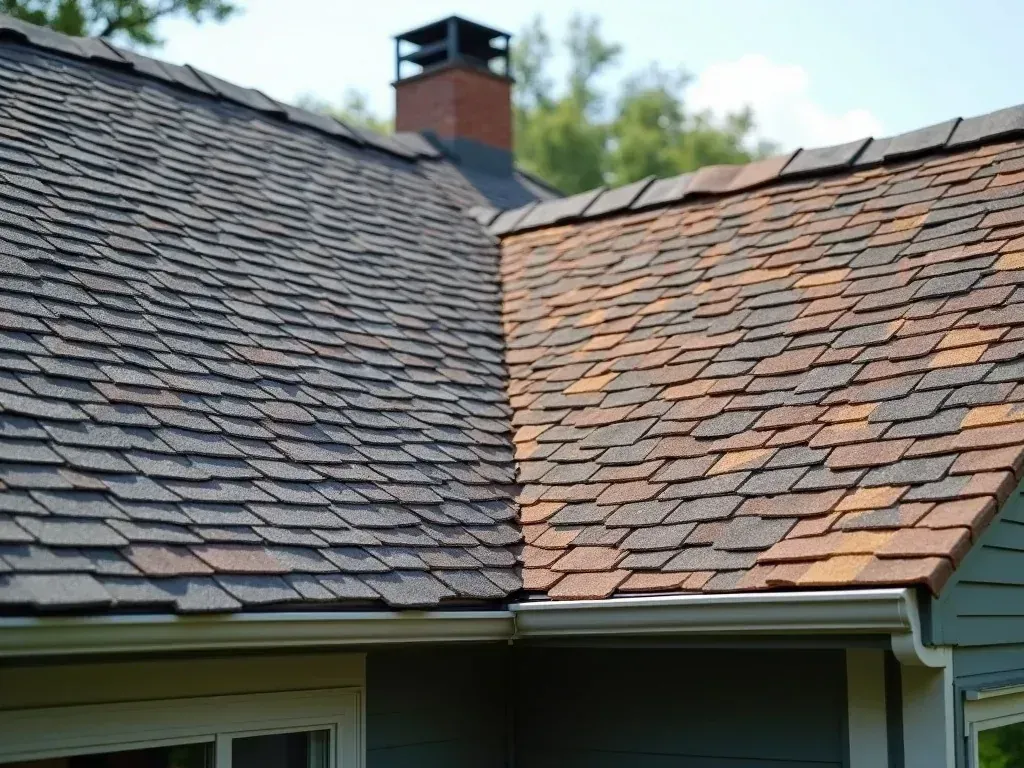
- Granule loss on adjacent shingle sections tells you the asphalt is at end-of-life wear even when the tile above still looks intact.
- Cracked or slipped tile lets water wick into the underlayment, and once it wicks, the decking begins to rot.
- Rust stains along the roofline usually point to corroded fasteners or a failing pipe boot and vent boot at a stack.
- Sag at the ridge or through a valley means a truss, rafter, or ridge beam is carrying more load than it should.
- Peeling paint on the fascia and soffit is often the first visible clue that water is seeping past the drip edge.
- Daylight through the roof deck in the attic signals a puncture, a torn membrane, or an open gap at a penetration.
- Ponding water that never drains after a storm means a blocked scupper or a low section that has started to settle.
Tile Roofing Process, Step by Step
- Free roof inspection: we walk the rooftop, photograph the flashing and valleys, and check attic ventilation and insulation.
- Written roof estimate: a line-item scope that separates tear-off, decking repair, and tile so nothing hides in a lump sum.
- Permits and building code review: we pull the permit and confirm wind-uplift requirements before a single tile comes off.
- Tear-off and dry-in: we strip to the decking, replace rotten plywood or OSB sheathing, and set self-adhered underlayment the same day.
- Flashing: step flashing, counter-flashing, chimney flashing, apron flashing, boot flashing, and pipe flashing all go in before the field course.
- Tile setting: we lay staggered courses up from the starter course, back-nailed at every ridge and hip and hand-sealed at the rake and eave.
- Cleanup: we magnet-sweep for nails, haul the dumpster of debris, and walk the finished roof with you.
What Tile Roofing Costs in Orlando
Tile roofing costs more up front than asphalt shingle, mostly because of material weight and the labor to set thousands of pieces by hand. Labor and hidden decking repair drive the spread between quotes far more than the tile itself.
- Roof pitch and height: a steep gable or mansard profile needs more scaffold, more safety harness time, and slower work.
- Decking condition: new plywood or OSB sheathing adds material and at least a day to the schedule.
- Material: clay tile and slate cost the most, while concrete tile and metal panel sit in the middle.
- Accessories: a new ridge vent, soffit vent, attic fan, gutter, or downspout each adds its own line item.
- Penetrations: skylight, dormer, chimney, and parapet details require their own flashing kits and extra labor.
Tile Roofing Repairs, Maintenance, and Insurance Claims
Tile roofing can be mended rather than replaced when damage is isolated to a few pieces. We reseal, recaulk, and reset individual tiles, then refit the flashing bead so the repair disappears into the field course.
After a storm we document the storm date, photograph the debris field, and help you file an insurance claim with a full adjuster inspection. An insurance scope and supplemental claim are normal steps in that process, not add-ons we invent later.
Ongoing maintenance is simple: clear the gutter, check the roof inspection report after any named storm, and refit a cracked tile before water ever reaches the underlayment. That is the whole trick.
Tile Roofing on Flat Sections and Additions
Plenty of Orlando homes carry a flat section over a garage or rear addition, and tile does not belong there. Low-slope work calls for a membrane system: TPO, EPDM, or PVC membrane, sometimes a built-up roof or modified bitumen over a bitumen base.
Those assemblies take a torch, a roller, or a squeegee with a measured dry film thickness and reinforcing fabric at the seams. We still find old tar, felt, and tar paper under original tile on older homes, and we price that removal separately.
Tile Roofing, Ventilation, and Energy Efficiency
Tile roofing keeps attic temperatures lower than dark asphalt because air moves under the field course. Without proper ventilation, attic temperatures routinely exceed 130 F and cook the sealants and flashing from underneath.
- Pair a ridge vent with soffit vent openings so air travels from eave to ridge instead of trapping heat.
- Keep attic insulation level and uncompressed, since squashed batts lose most of their value.
- Choose lighter tile colors and a reflective coating on flat sections to cut cooling load.
- Salvage and reuse sound original tile so it stays out of the landfill and out of your material cost.
- Anchor safety lines to permanent roof anchors and add a snow guard bracket where a steep pitch lets tile slide above a walkway.
Tile Roofing Tools, Safety, and Site Cleanup
Our crews work off ladder and scaffold with a safety harness, and the hand tools matter more than most people expect. A pry bar and roofing shovel strip old tile without cracking the deck underneath.
A nail gun fed by an air compressor sets fasteners at consistent depth, and we measure by the roofing square so courses stay even across a long gable. Adhesive and caulk handle the hand-sealed details no gun can reach.
Where tile sits on a counterbatten over a batten, air moves beneath the tiles and the assembly stays cooler. We finish every penetration with real waterproofing and weatherproofing rather than a bead of roof cement and hope.
Tile Roofing Questions Homeowners Ask
Is tile roofing worth it in Orlando?
Tile roofing is worth it when you plan to stay in the home and the structure can carry the weight. Clay tile and concrete tile outlast asphalt shingle by decades and handle hurricane-force winds better when they are fastened correctly.
Can tile roofing be repaired instead of replaced?
Tile roofing can be repaired tile by tile while the underlayment is still sound. Once water has wicked into the roof deck and the sheathing has rotted, a partial replacement is usually the honest answer.
How does tile roofing handle hail damage?
Tile roofing resists hail damage better than shingle, though a direct hit can crack or bruise a tile. After a hailstorm we inspect from the rooftop and mark cracked pieces for the roof estimate.
Which materials perform best for tile roofing near the coast?
Concrete tile and standing-seam panel metal hold up best against salt air and wind. Slate and clay tile perform well too, but fasteners and flashing corrode faster, so we spec corrosion-resistant hardware.
How long does tile roofing take to install?
Tile roofing typically runs several days to a couple of weeks depending on square footage, pitch, and how much decking we replace. Tear-off and dry-in happen first so your house is never left open to rain.
The feedback we hear most often is about cleanup, not the roof. Magnet-sweeping for nails matters in College Park, Thornton Park, and Audubon Park, where kids and pets use the yard the same afternoon we finish.