What Roof Replacement Involves
A full roof replacement starts with a complete tear-off of the existing shingles, underlayment, and flashing. We don't lay new material over old—that hides problems and shortens the life of your new roof. Once the deck is exposed, we inspect every sheet of plywood for rot, decay, or sagging. Any damaged sections get replaced before we install the new system.
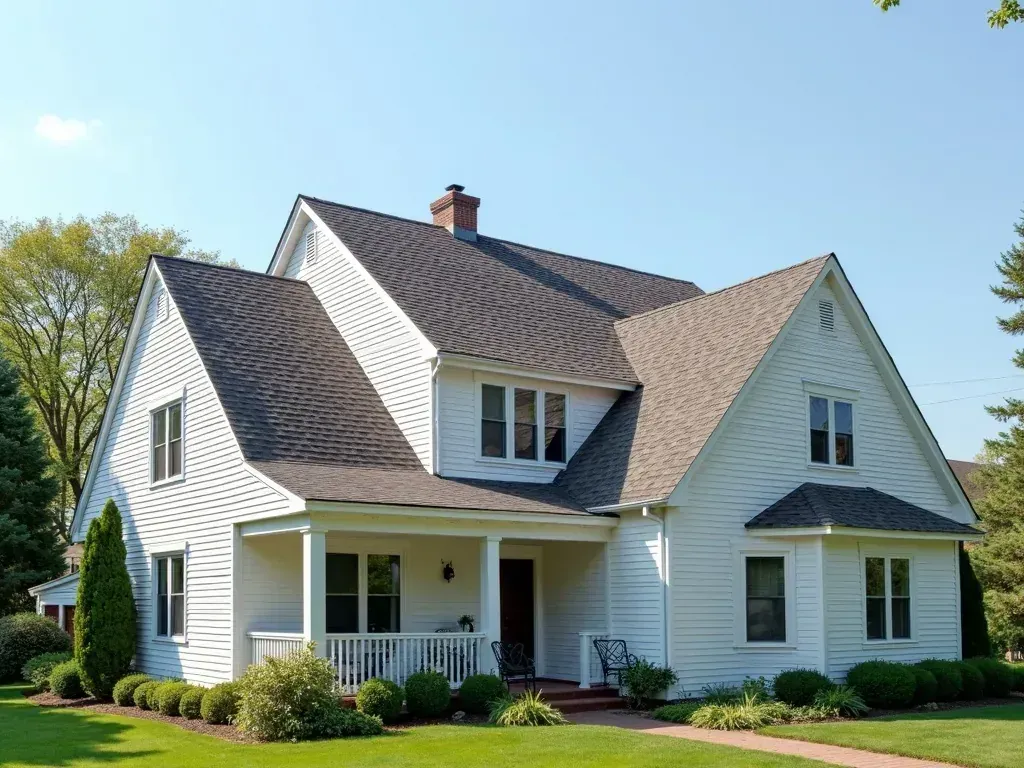
For most Orlando homes, we install architectural shingles like GAF Timberline HDZ or Owens Corning Duration STORM. These are heavier than standard 3-tab shingles, with a Class 3 impact rating that resists hail damage—a real concern after the 2013 Central Florida hailstorm. We also use synthetic underlayment instead of old felt paper. It's lighter, more tear-resistant, and holds up better in Florida's heat.
Around chimneys, skylights, and valleys, we install self-adhered ice-and-water shield—a rubberized membrane that seals around nails. Ridge vents at the peak let hot air escape from your attic, which lowers cooling costs and reduces moisture buildup. Every nail is driven straight, at the right depth, and we follow the manufacturer's nailing pattern exactly. That's what keeps your warranty valid.
Signs You Need Roof Replacement
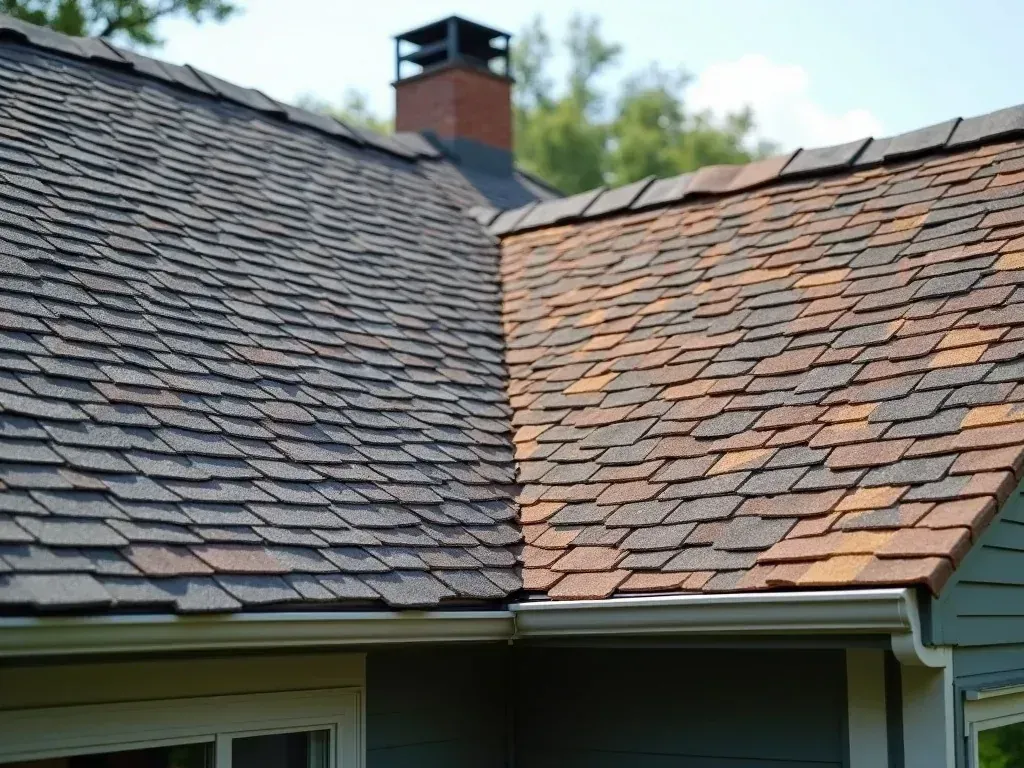
How do you know when it's time? Start with the obvious: missing or curled shingles. If you see shingles that are buckling, cracking, or losing granules, that's end-of-life wear. Granules in your gutters are another red flag—they mean the asphalt is eroding and the shingle is losing its protection. Water stains on your ceilings or walls are a sign that moisture is seeping through the roof system, and if you can see daylight through gaps in the roof deck, you've got a serious problem.
In Orlando, humidity accelerates algae and moss growth, which can eat into shingle surfaces over time. And our intense afternoon thunderstorms from May to October bring wind-driven rain that tests every flashing detail. If your roof is over 20 years old, or if you've had repeated leaks, a replacement is often more cost-effective than endless repairs.
Our Roof Replacement Process
We follow a proven sequence that minimizes disruption and protects your home. First, we do a thorough inspection and take photos of any damaged decking or flashing. We pull the permit—required by the Florida Building Code for any roof replacement over 25% of the roof area. Then we schedule the tear-off, which takes about a day for a typical home.
After the deck is exposed and repaired, we install the underlayment, ice-and-water shield, and starter course. The starter course is a strip of shingles placed along the eaves—it seals the first row and prevents wind uplift. Then we lay the field course, the main body of shingles, with staggered courses so water runs off evenly. We use ring-shank nails, which grip the deck better than smooth nails in high winds. Finally, we install ridge vents, clean up every nail and scrap with a magnetic sweep, and register your warranty with the manufacturer.
Cost Considerations in Orlando
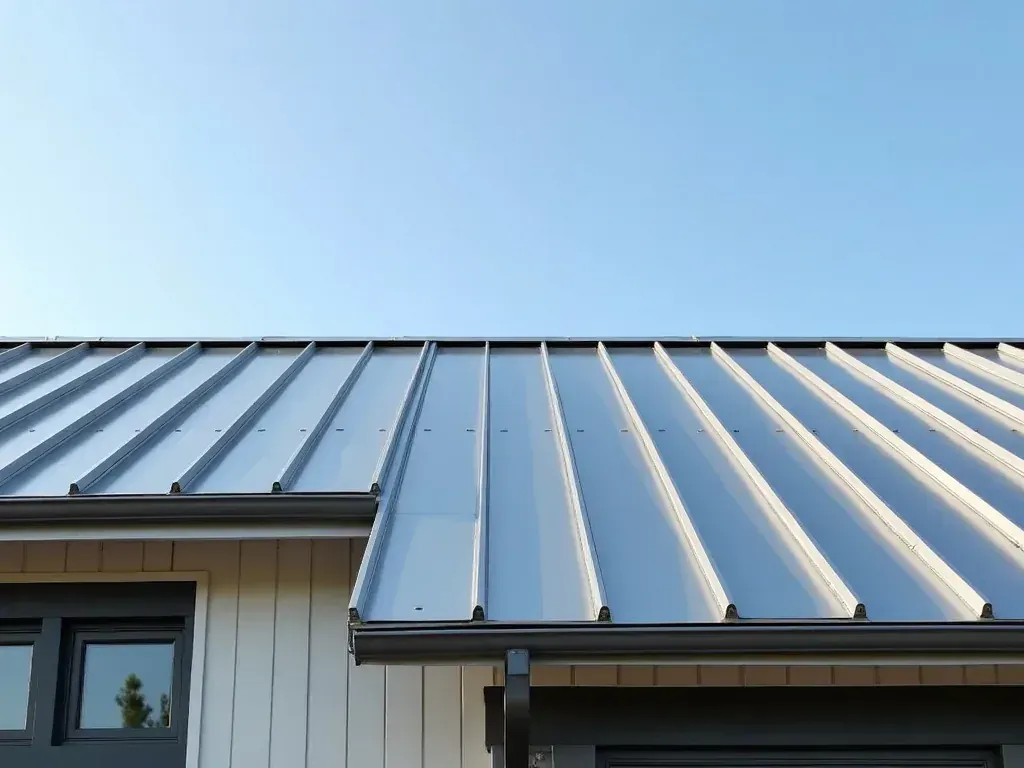
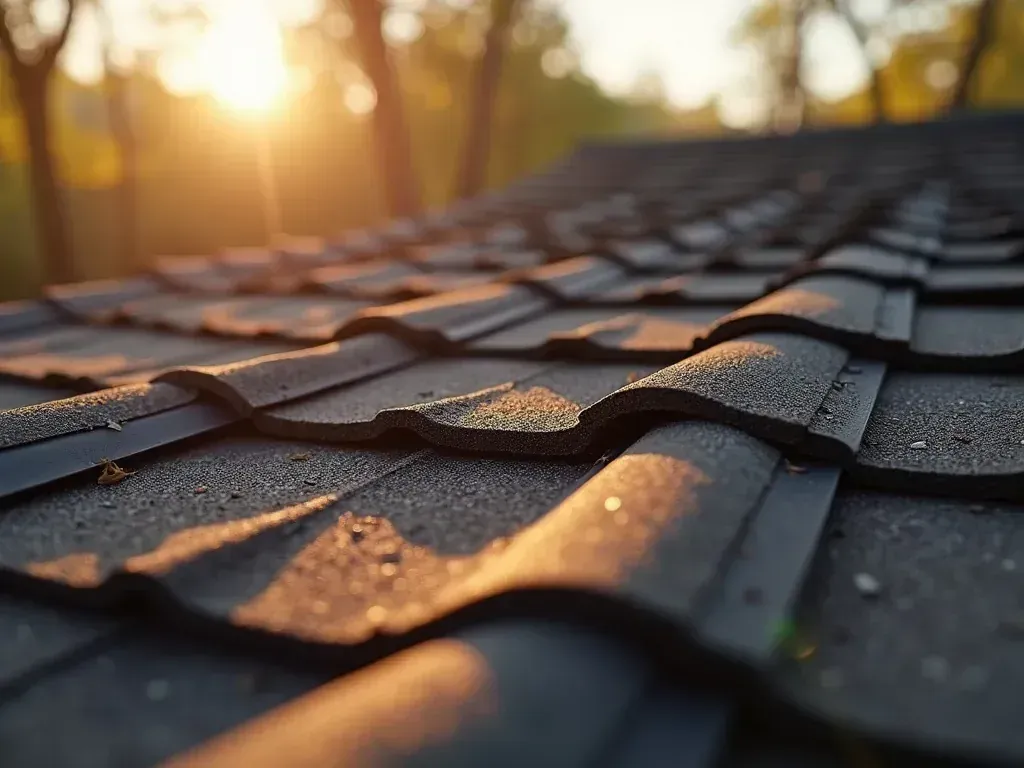
Roof replacement costs in Orlando typically run between $4.50 and $7.00 per square foot, depending on the shingle type, roof pitch, and complexity. For a 2,000-square-foot home, that's roughly $9,000 to $14,000. Architectural shingles cost more than 3-tab but last longer and look better. Standing seam metal panels—Galvalume or Kynar-coated—run $8 to $12 per square foot but can last 50 years or more. Tile roofs, common on Mediterranean-style villas, are heavier and require more structural support, which adds cost.
We give you a free, detailed estimate before any work begins. That includes the cost of the tear-off, decking repairs, materials, labor, and permit fees. No surprises.
Warranty & Insurance
Manufacturer warranties are a big part of the value of a new roof. GAF Timberline HDZ shingles come with a 25-year limited warranty, and Owens Corning Duration STORM offers up to 50 years. These warranties cover manufacturing defects, but they're only valid if the roof is installed by a certified contractor following the manufacturer's specifications. We're GAF Master Elite certified, which means we meet the highest standards for training and installation.
If your roof was damaged by a storm, your insurance may cover the replacement. We'll help you document the damage and work with your adjuster to make sure you get a fair settlement. We've handled countless storm claims in Central Florida, from hail damage to hurricane-force winds.
Why Choose Orlando Top Roofers for Roof Replacement in Orlando?
Orlando sits at 82 feet above sea level, and our weather is unique. The Florida Building Code requires wind-borne debris protection in High-Velocity Hurricane Zones, and we build every roof to meet or exceed those standards. We serve Baldwin Park, College Park, Dr. Phillips, Winter Park, Lake Nona, and Thornton Park—neighborhoods with everything from 1950s mid-century bungalows to 2000s stucco villas. We know the local building codes, the common decking issues, and the best materials for our climate. When you hire us, you get a roof that's built for Orlando, not just a generic national spec.
Signs You Need Roof Replacement
Missing or Curled Shingles
If you see shingles that are lifted, cracked, or completely gone, your roof's protective layer is failing. In Orlando's heat, this accelerates quickly, exposing the deck to moisture and rot.
Water Stains on Ceilings
Brown spots on your interior ceilings or walls mean water is seeping through the roof system. Over time, this wicks into insulation and framing, causing decay and mold.
Daylight Through Deck Gaps
If you can see daylight through the roof deck from your attic, the wood has deteriorated or the shingles have shifted. That's a direct path for water and pests.
Granules in Gutters
Asphalt shingles shed granules as they age, especially under Florida's intense UV exposure. Finding lots of granules in your gutters means the shingles are eroding and losing their fire resistance.
Algae or Moss Growth
High humidity in Central Florida promotes algae and moss on shingles. These organisms trap moisture, causing the shingle surface to erode and peel. If left untreated, they shorten the roof's life.
Flashing Leaks
Wind-driven rain from afternoon thunderstorms can force water under flashing around chimneys and vents. If you see rust, gaps, or water stains near these areas, the flashing has failed and needs replacement.
What's Included
- ✓ Free inspection and photo damage report
- ✓ Full tear-off and decking inspection
- ✓ GAF Timberline or Owens Corning Duration shingles
- ✓ Synthetic underlayment and ice-and-water shield
- ✓ Ridge vent installation for attic airflow
- ✓ Manufacturer warranty registration
- ✓ Cleanup with magnetic nail sweep and dump fees included
Related Services
Ready to get started? Call us today at 8775861316 for a free estimate.
☎ Call 8775861316