What Insurance Claim Assistance Involves
Insurance claim assistance starts with documentation rigor. When a Central Florida storm rolls through — and they do, intensely, from May through October — your roof takes a beating. Hail strikes leave granule loss you can't see from the ground. Wind lifts shingles just enough for water to wick under the edges. By the time you notice a stain on your ceiling, the damage has been seeping for weeks.
We build the file your insurance company can't ignore. That means a drone photo package that captures the full roofscape from every angle, Xactimate scope documentation that itemizes every line item a roofer would actually charge, and ITEL shingle sampling when we need to prove the manufacturer's batch was defective or storm-damaged.
Our inspectors are HAAG-certified. That matters because when we walk the roof with your adjuster, we speak their language — ring-shank nails, starter courses, field courses, staggered courses. We point to the specific shingle that lifted, the exact spot where the underlayment delaminated, the flashing that pulled away from the chimney. And when the adjuster's scope comes back short — and it usually does — we file a supplement with the evidence to back it up.
Signs You Need Insurance Claim Assistance
An active leak during a storm is the obvious one. Water dripping through your ceiling while the rain hammers down means the roof deck has already been breached. But the signs are often quieter than that.
- Missing shingle sections after a wind event — even if the roof doesn't leak yet, the substrate is exposed.
- Tree impact — a branch doesn't need to punch through to compromise the decking; a heavy limb can settle and crack shingles without breaking them.
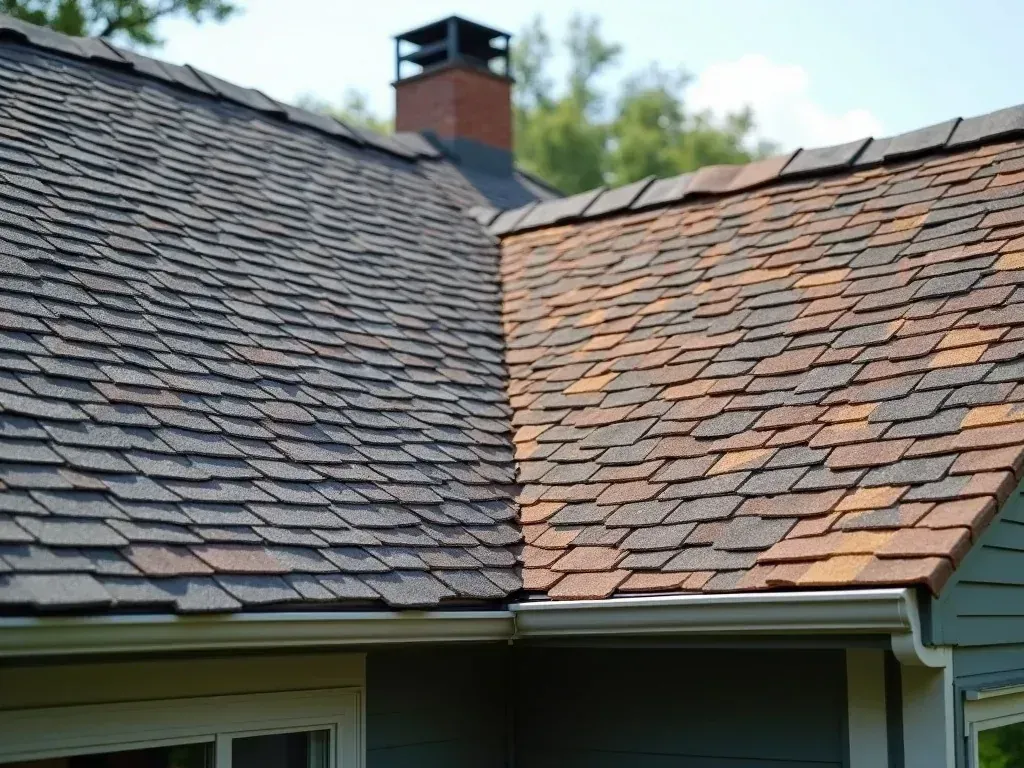
- Hail strike marks — those dark circular bruises on asphalt shingles mean the granules have been knocked loose, and the mat underneath is degrading.
- Sudden interior water staining — a yellow-brown circle on your ceiling that wasn't there last week.
- Curling or buckling shingles after a tropical storm — the edges lift, and wind-driven rain gets underneath.
- Granules collecting in your gutters after a storm — that's the protective coating flaking off, and it's end-of-life wear accelerated by weather.
If any of this sounds familiar, you're likely sitting on a claim you haven't filed yet — or an adjuster's estimate that doesn't cover the real repair.
Our Insurance Claim Assistance Process
Our process is built around one thing: getting your claim paid at full replacement value. Here's how it works.
Step 1: Rapid Response and Tarping. If your roof is actively leaking, we're there the same day. We tarp the damaged sections to stop further water intrusion, document everything with photos, and file the initial damage report. This stops the rot and decay before they spread.
Step 2: Complete Damage Documentation. We fly the drone, walk the roof, and document every piece of evidence. We measure the squares, note the slope, check the flashing, and photograph the granule loss. You get a written report with photo evidence you can hand to your adjuster.
Step 3: Adjuster Meeting. We meet your insurance adjuster on-site. We walk the roof together, point out the damage they might miss, and review their scope line by line. This is where most claims get shortchanged — and where our HAAG certification gives us credibility.
Step 4: Supplement and Depreciation Recovery. When the adjuster's estimate doesn't match the real cost of repair — and it usually doesn't — we file a supplement. We provide Xactimate line items, manufacturer documentation, and any ITEL lab results. We also track your recoverable depreciation and make sure you get the full payout your policy allows.
Step 5: Permanent Repair. Once the claim is approved, we perform the repair or replacement. Tear-off, deck inspection, self-adhered ice and water shield in the valleys, new underlayment, and properly installed shingles with ring-shank nails. Then we handle the final inspection and warranty registration.
Cost Considerations in Orlando
The cost of insurance claim assistance itself is typically included in the repair — we don't charge a separate fee for handling your claim. What you pay for the actual roof work depends on your coverage and your policy's depreciation schedule.
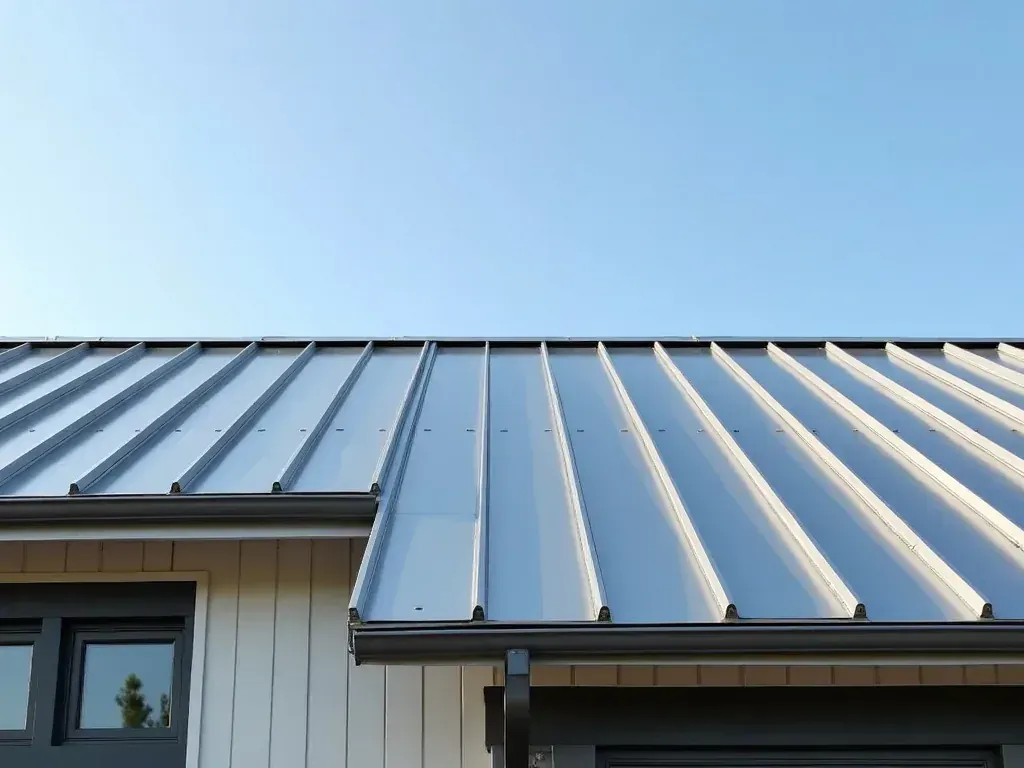
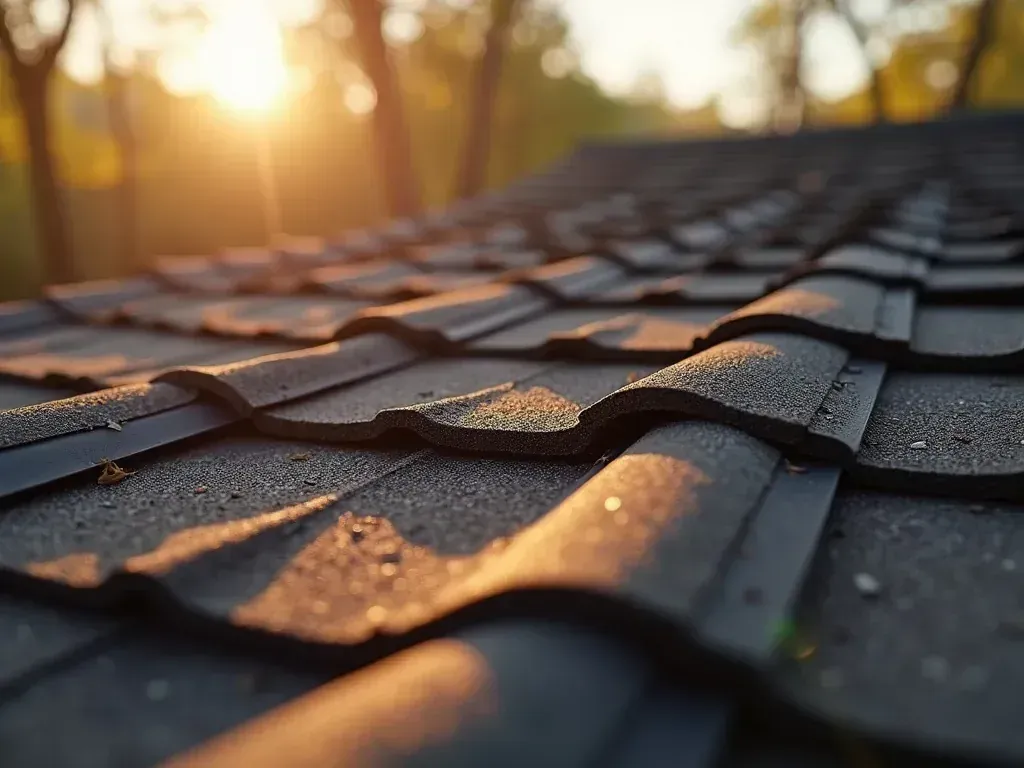
For a typical Orlando home — a 1980s concrete block ranch or a 2000s Mediterranean-style stucco villa — a full roof replacement runs between $350 and $550 per square (100 square feet) for architectural asphalt shingles. That's the number your adjuster will see on the estimate. If you have a metal roof or a tile roof, the cost per square climbs significantly.
What most homeowners don't realize is that the insurance company's first check is almost never the full amount. They pay the actual cash value (ACV), which is replacement cost minus depreciation. The recoverable depreciation — the difference between ACV and replacement cost — is paid out only after the work is complete and the final invoice is submitted. We track that for you and make sure you collect every dollar you're owed.
If your roof is older than 15 years, expect the insurance company to push back on full replacement. They'll argue for repair or a partial payout based on the roof's remaining life. That's where our documentation matters most — we prove the storm caused the damage, not normal wear.
Warranty & Insurance
When we install a new roof, you get a manufacturer warranty that covers the shingles themselves — typically 25 to 50 years for architectural asphalt. But the workmanship warranty is ours: we guarantee our installation for as long as you own the home. If a shingle lifts, a flashing detail fails, or a nail backs out, we fix it.
For insurance claims, we handle the entire process transparently. We don't inflate estimates or commit fraud — that's not how we operate. We document what's actually damaged, submit an accurate scope, and fight for what you're legitimately owed. Your insurance company knows our reputation, and that makes the negotiation smoother.
If your claim is denied, we'll review the denial and tell you honestly whether it's worth appealing. Sometimes it is. Sometimes the damage doesn't meet the policy threshold. We'll tell you the truth either way.
Why Choose Orlando Top Roofers for Insurance Claim Assistance in Orlando?
Orlando sits at 82 feet above sea level in Orange County, which means we get the full force of afternoon thunderstorms, tropical storms, and the occasional hurricane. We've seen what these storms do to the 1950s Mid-Century bungalows in College Park, the newer builds in Lake Nona, and everything in between. We know which neighborhoods got hit hardest in the 2013 Central Florida hailstorm, and we know how the insurance companies responded then — and how they'll respond now. We serve Baldwin Park, Dr. Phillips, Winter Park, and Thornton Park with the same standard: document everything, fight for the full claim, and build a roof that lasts. Call us at 877-586-1316 when the storm hits.
Signs You Need Insurance Claim Assistance
Active Leak During a Storm
Water dripping through your ceiling while rain pounds the roof means the deck is already breached. That's an emergency — call for tarping before the water wicks into your insulation and drywall.
Missing Shingle Sections After Wind
When a tropical storm tears shingles off a section of your roof, the substrate underneath is exposed to the next rain event. The damage will erode fast if it's not covered.
Tree Impact
A branch doesn't need to punch through to compromise your roof. The weight alone can crack shingles and settle the decking, creating a slow leak that shows up weeks later.
Hail Strike Marks
Those dark circular bruises on your asphalt shingles mean the granules are gone and the mat is degrading. The protective coating has flaked off, and the shingle is now vulnerable to UV and water.
Sudden Interior Water Staining
A yellow-brown circle on your ceiling that wasn't there last week means water is seeping through the roof deck. It will spread and spall your drywall if you wait.
Granules in Your Gutters
After a storm, if you see sand-like granules collecting in your gutters, your shingles are shedding their protective coating. That's storm damage, and it's claimable.
What's Included
- ✓ 24-hour emergency response across Orlando
- ✓ Emergency tarping to stop active leaks and prevent rot
- ✓ Drone photo package documenting all storm damage
- ✓ Xactimate scope documentation for your adjuster
- ✓ ITEL shingle sampling when manufacturer defects are suspected
- ✓ Adjuster meeting representation — we walk the roof with them
- ✓ Supplement filing and depreciation recovery tracking
Related Services
Ready to get started? Call us today at 8775861316 for a free estimate.
☎ Call 8775861316